Soft Washing vs. Pressure Washing in Fayetteville, NC: Which Is Safer for Your Home Exterior?

Keeping a home clean in the Sandhills is a constant battle with humidity, pine pollen, and red clay. If you’re weighing soft washing against traditional pressure washing, safety for your siding, paint, and roof should lead the decision. As a local pressure washing team, PowerClean Plus LLC uses both methods, but we choose the gentlest approach that still produces a lasting clean. For delicate siding, an expert-led soft washing for siding process is often the safer bet.
Here’s a clear look at how each method works, which surfaces they suit, and why the right choice protects your home’s value. We’ll use real Fayetteville context, from Haymount and Jack Britt to Hope Mills and Stedman, so you can feel confident about house washing safety before you schedule service.
What Soft Washing Is And Why It Protects Siding
Soft washing uses low pressure paired with professional cleaning solutions to lift and rinse away organic growth and grime. The pressure is gentle enough to avoid forcing water behind lap seams, loosening paint, or scarring surfaces. This makes soft washing ideal for vinyl, painted wood, fiber cement like Hardie, stucco, and many trims and soffits commonly found around Fayetteville.
Because the cleaning solution does the heavy lifting, the result is a deeper clean that lasts longer than a quick blast. Algae, mildew, and rooftop bacteria are treated at the source, so you’re not just moving residue around. For homeowners, that means cleaner siding without the risk of etch marks or water intrusion.
When Pressure Washing Makes Sense
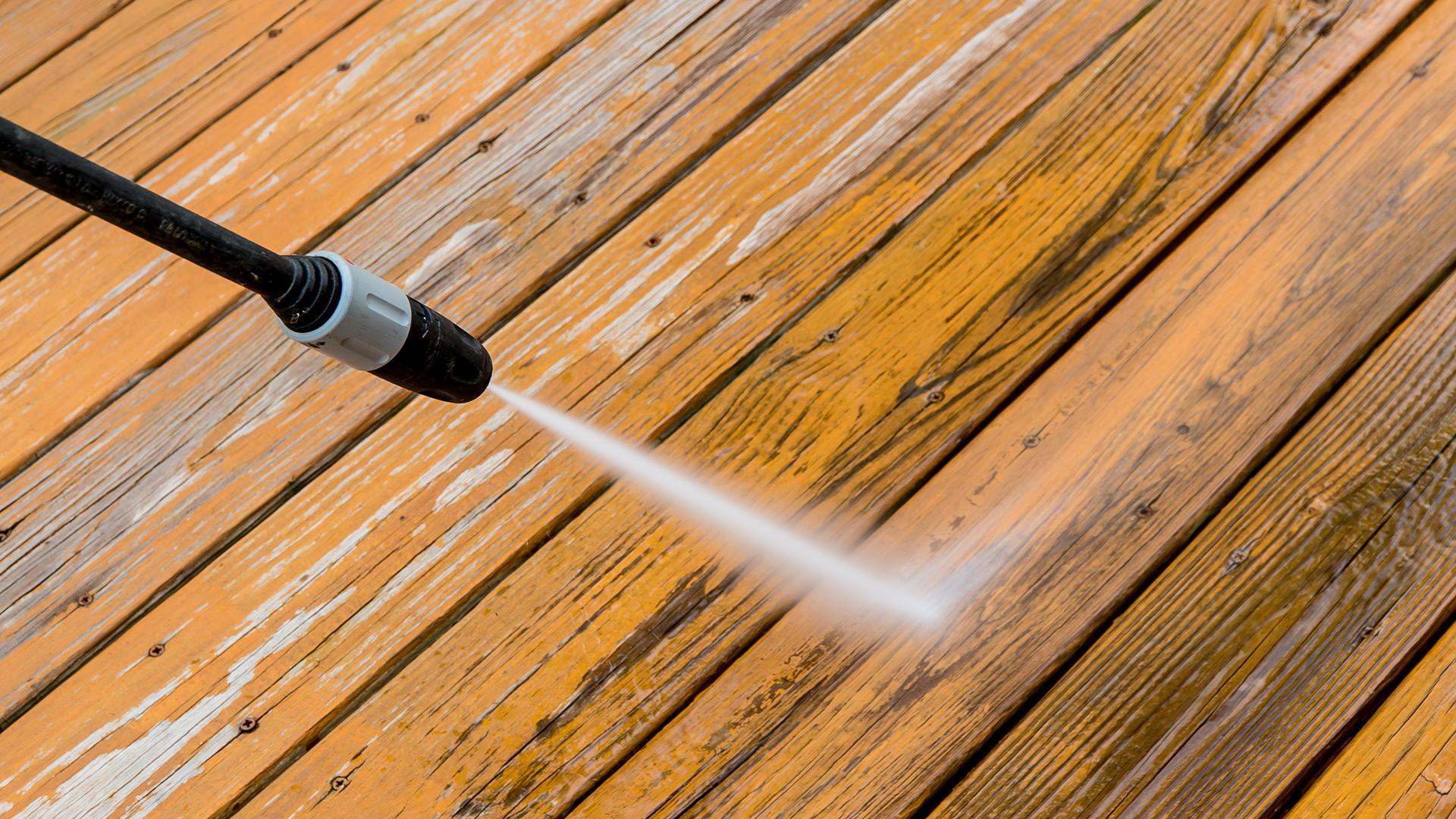
Pressure washing relies on higher water force to remove thick buildup from hard, durable surfaces. It shines on concrete driveways, paver walkways, brick patios, and other tough materials. Technicians still use care at joints, mortar, and expansion cuts, but these surfaces can handle higher pressure and benefit from it.
On blended projects, we may pretreat with a soft wash and follow with a controlled-pressure rinse. That combo is helpful on patio slabs shaded by longleaf pines, where algae can make surfaces slick after summer storms.
Fayetteville Weather, Materials, And Safety Risks
The same climate that keeps our lawns green can be hard on exteriors. Understanding local factors helps explain why soft washing is often the safer choice for the parts of your home that aren’t concrete.
- Humidity and shade spur algae and mildew on north-facing walls and under eaves.
- Red clay splashes onto lower siding and dries into stubborn stains along the foundation line.
- Pine pollen coats everything in late winter through spring, especially around Lake Rim and King’s Grant.
- Wind-driven rain can push water into seams; high pressure can make that worse on lap siding and around windows.
Choosing the wrong method can cause peeling paint, loosened caulk, raised grain on wood, or water intrusion around trim. Soft washing lowers those risks on sensitive surfaces while still delivering a thorough clean.
Surface-By-Surface Safety Guide
- Asphalt shingle roofs: soft wash only; never use high pressure on shingles.
- Vinyl, painted wood, fiber cement siding: soft wash preferred to avoid forcing water behind seams.
- Stucco and EIFS: soft wash to prevent gouging and moisture problems.
- Decks and fences: soft wash with care; pressure is used selectively on durable boards and rails.
- Concrete driveways and sidewalks: controlled pressure washing for deep, even results.
- Brick and pavers: soft wash pretreat plus measured pressure to protect mortar and joints.
If your home combines these materials, your technician may recommend a blended approach. The goal is simple: maximize clean, minimize risk.
How Pros Decide Between Methods
Good exterior cleaning is part science, part craftsmanship. Before the first drop of water hits your siding, a trained technician will:
1) Inspect surfaces and note paint age, caulk lines, and areas with prior repairs. 2) Identify algae types and buildup level. 3) Consider shade, irrigation spray zones, and nearby landscaping. 4) Choose the safest technique and dilution for each surface. For rooftops, our roof cleaning approach focuses on low-pressure application that restores shingle color and helps deter Gloeocapsa magma streaks common in the Southeast.
Protective steps matter as much as cleaning steps. Crews cover sensitive outlets, mind door thresholds, and rinse plantings before and after treatment. Done right, you get a brighter home with no drama.
Common Myths Homeowners Hear
Myth: “More pressure means a better clean.” High pressure can cut grime, but it can also cut paint, scar wood, and flood wall cavities. The “best” clean is the one that leaves the surface intact and healthy.
Myth: “Detergents always harm plants.” Professional solutions and techniques are designed to be landscape-conscious, and plants are rinsed and buffered for safety. Talk with your crew about any prized shrubs or beds along the work area so they can add extra protection.
Myth: “Soft wash is the easy way out.” Soft washing takes training. The skill is choosing the right chemistry and dwell time so the rinse can be gentle. Results are often cleaner and longer lasting, especially on siding and roofs.
House Washing Safety: What You Can Expect
On most Fayetteville homes, soft washing for siding and trim reduces the risk of paint loss, water intrusion, and streaking. You’ll see even color, clean window frames, and a fresh look that helps your landscaping pop. Along busy roads, we often see a layer of traffic film; soft washing breaks it down so it lifts without scrubbing.
Roofs respond well too. A careful soft wash clears dark streaks and organic growth while preserving granules and coatings. That helps shingles shed water and can make a big visual difference from the street.
Concrete is different. For driveways in Raeford, Hope Mills, and Spring Lake, pressure washing paired with pretreatment removes red clay stains and oil spots more effectively. It is still measured and even, so you don’t get tiger-striping or etched patterns.
Why “Siding-Safe Cleaning” Matters In Military Moves
PCS season brings fast timelines. Entrances, porches, and siding are the first impression for buyers and inspectors. A siding-safe cleaning plan helps you avoid issues like raised wood grain on porch columns or lifted paint at window trim, both of which can delay a punch list. With the right method, you get curb appeal without creating new repairs.
Local Timing Tips Without The DIY Hassle
We customize schedules around Fayetteville’s seasons. Many homeowners book soft washing after the thickest pollen drops in early spring and again after peak summer humidity. For shaded lots or lakeside homes, we may recommend more frequent visits to keep algae off north-facing walls. Frequency varies by home size, materials, trees, and exposure.
Learn More Before You Book
If you want a deeper dive into how cleaning choices protect your home systems, skim our short read on the big-picture value of maintenance. You can start with these pressure washing tips written for Fayetteville homeowners.
You can also review photo-driven updates in our project gallery sections on the service pages. Seeing similar siding materials to your home can help you visualize results.
Soft Washing vs. Pressure Washing: Quick Pick Guide
When in doubt, choose the method that protects the surface first, then adjust for appearance.
Use soft washing for siding, trim, paint, soffits, stucco, and shingles. Choose controlled pressure for concrete, brick, pavers, and most masonry. For mixed areas like a brick stoop touching painted risers, pros treat each section differently to avoid overspray damage or mortar erosion.
Putting It All Together For Your Home
Most homes in Haymount, Jack Britt, and Arran Lakes blend materials that benefit from both methods. Our technicians map your surfaces, protect nearby landscaping, and choose the safest path to a long-lasting clean. When you’re ready to see what a careful, siding-safe approach can do, check our gentle house washing page for examples and what to expect from scheduling.
Why Choose PowerClean Plus LLC For Fayetteville Soft Wash
We’re local, we know the Sandhills, and we tailor our process to your specific home. You’ll get clear communication, scheduled reminders, and photos that show careful results. If you value a spotless finish without risking your siding or roof, our team is a fit.
For past articles about timing, surfaces, and maintenance in our area, browse the tips section on our site. You can also reach us by phone or request a visit online.
Ready For Safer, Siding‑Safe Cleaning?
Protect your paint, trim, and roof with a method chosen for safety first. Call 910-315-7650 to schedule or request your estimate. For homeowners comparing methods, a short conversation helps match your goals to the right process. You can also explore soft washing in Fayetteville, NC to see how PowerClean Plus LLC approaches quality, safety, and results across our services.

RECENT PRESSURE WASHING TIPS
-
Soft Washing vs. Pressure Washing: Which Is Right for Siding, Brick, and Stucco?
Keeping a home clean in Fayetteville takes more than a quick rinse. Humidity, pine pollen, and red clay leave stubborn buildup on siding, brick, and stucco. The smartest choice is the one that protects your surfaces while restoring curb appeal. That is why PowerClean Plus LLC […]
-
How Much Does Pressure Washing Cost in Fayetteville? A Homeowner Pricing Guide
If you are pricing exterior cleaning in Cumberland County, you have probably noticed quotes can vary. This guide explains what really moves the number in our area so you can compare apples to apples, choose the right scope, and protect your home. If your focus is […]